You push the vision. Twill writes the code, runs the tests, fixes failures, and opens PRs. Around the clock, only pinging you when it needs your input.
A structured workflow, not a YOLO prompt
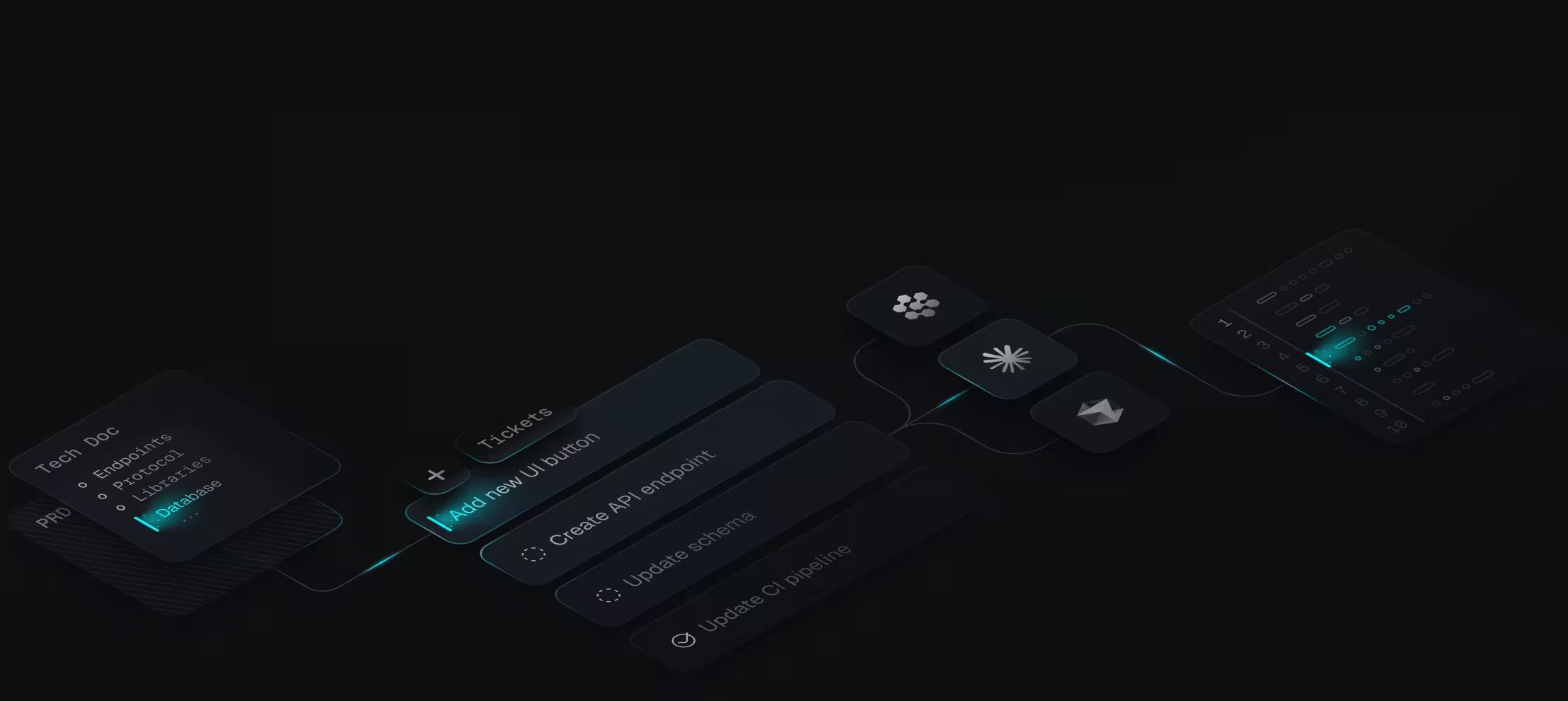
Every task follows a fixed pipeline. The agent can't skip steps. That's what makes it reliable.
ResearchReads codebase & clarifies
PlanImplementation spec
You ApproveReview before code runs
ImplementCode, build, test in sandbox
AI Code ReviewPR ready for your team
Merge PRYou merge when ready
What You Get
Ship more, context-switch less
Bug fixes, dependency updates, and docs handled automatically so you stay in flow
Bug fixes, dependency updates, and docs handled automatically so you stay in flow
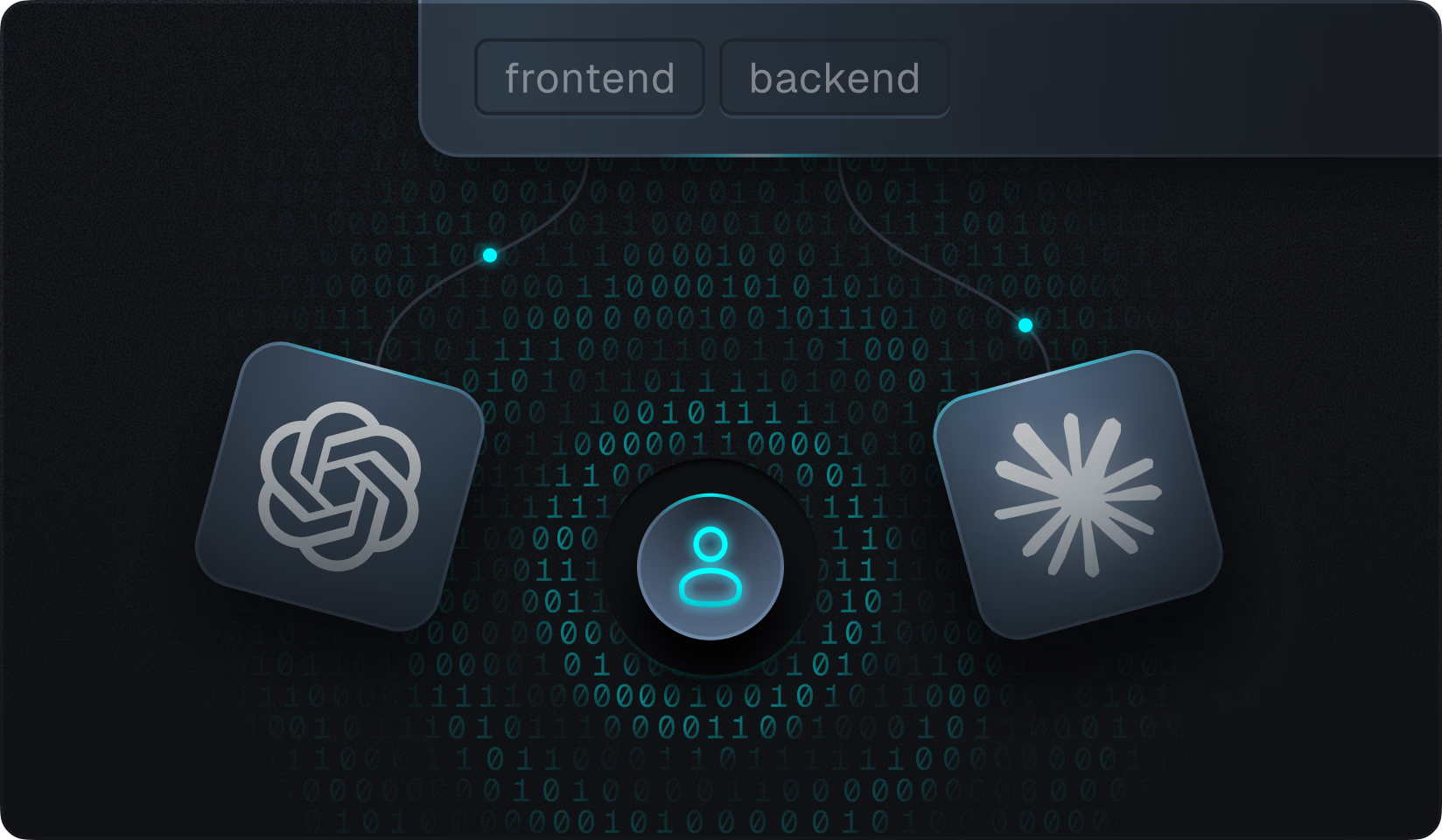
Punch above your weight
One dev or a small team shipping like a company ten times your size
One dev or a small team shipping like a company ten times your size
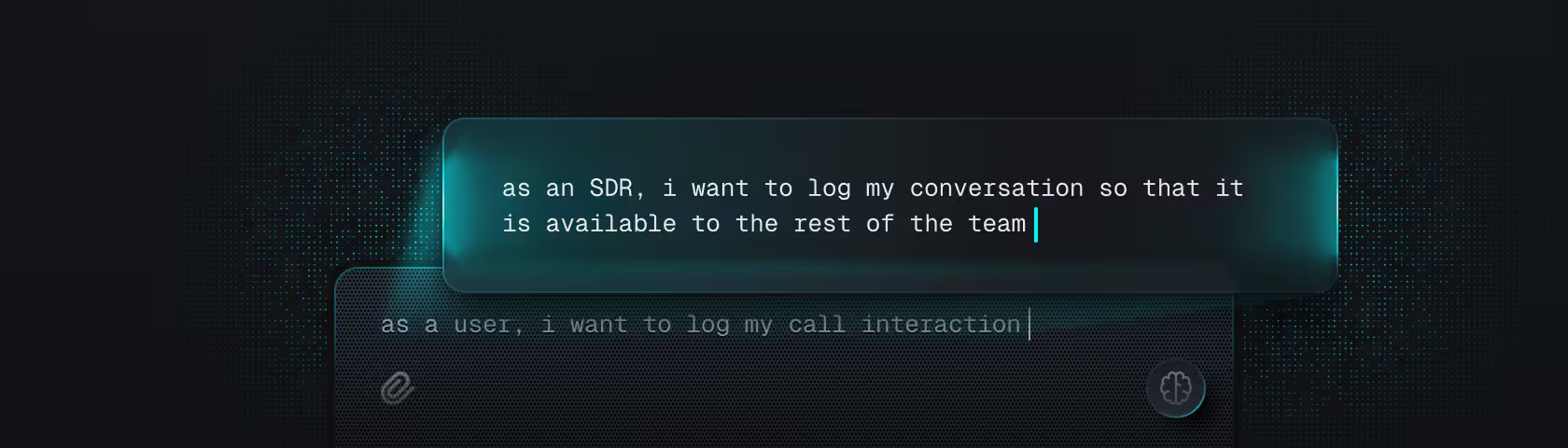
You decide, Twill executes
Focus on architecture and product. Twill handles the implementation
Focus on architecture and product. Twill handles the implementation
Assign tasks to the best coding agent
- Choose from Claude Code, OpenCode, and Codex.
- Run multiple agents in parallel and compare their outputs.
- Run the same agent n times to increase success rate.
What can I work on for you?
TwillAI/demo
main
Opus 4.6 x1+GPT 5.4 x1
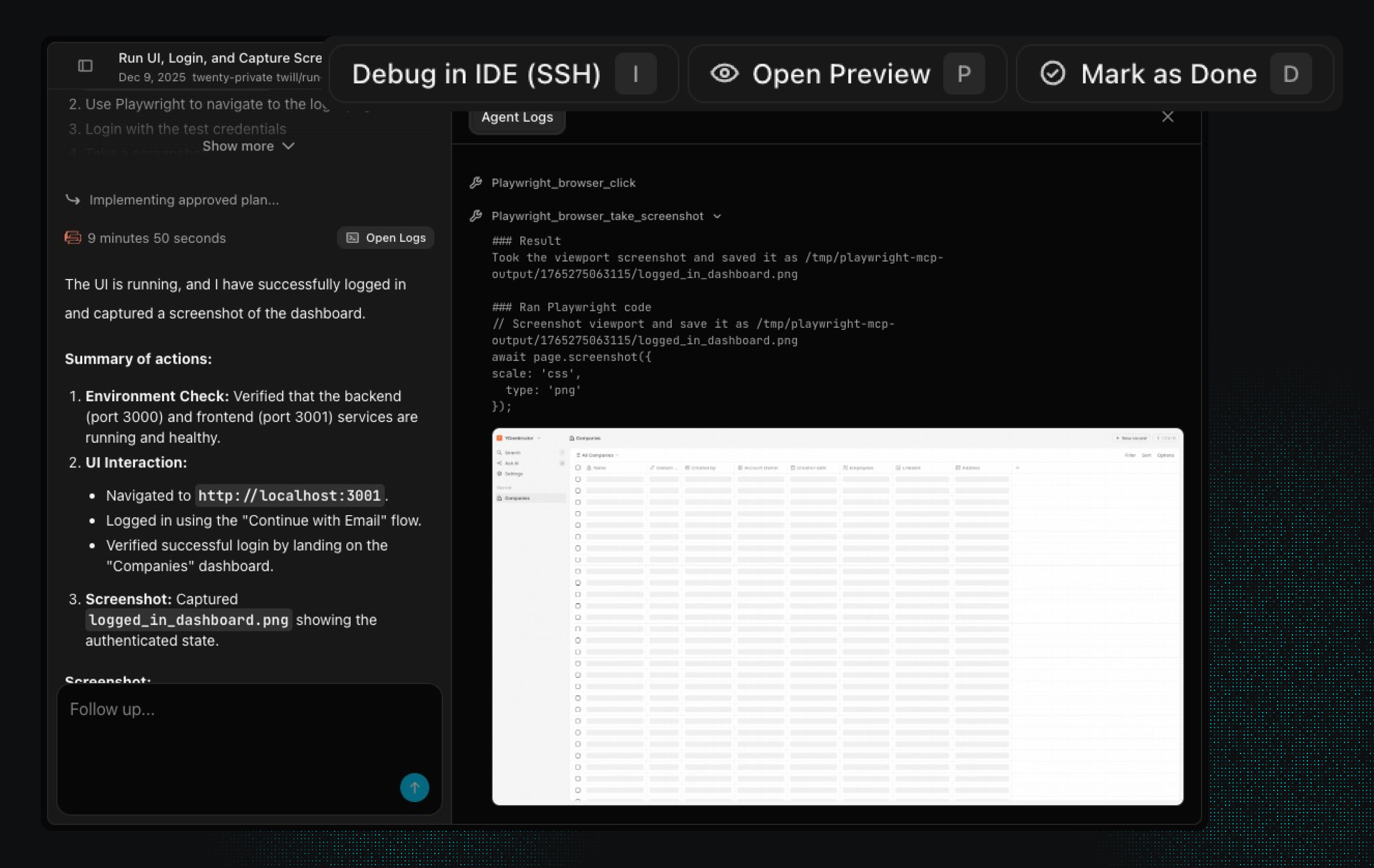
Agents verify changes in isolated dev environments
- Agents spin up sandboxes to build, test, and iterate on changes, making PRs trustworthy.
- No setup needed, the agent figures out the best infrastructure for the task.
- Access the sandbox infrastructure logs and ports, securely.
Integrates with your tools
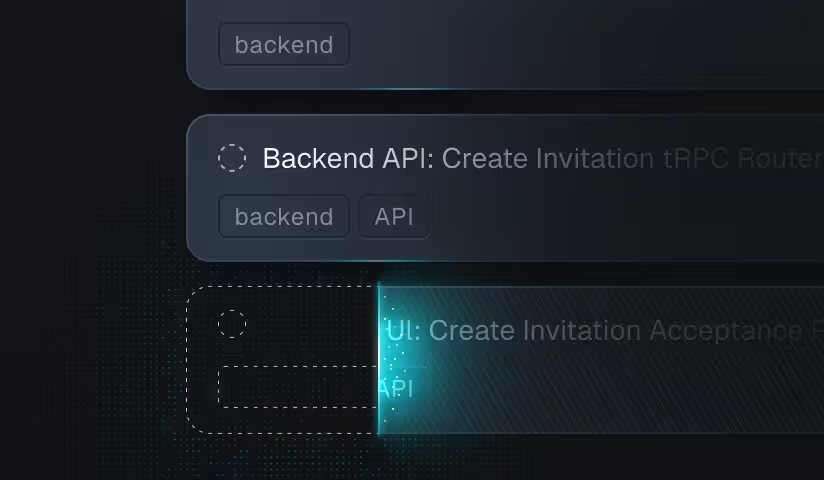
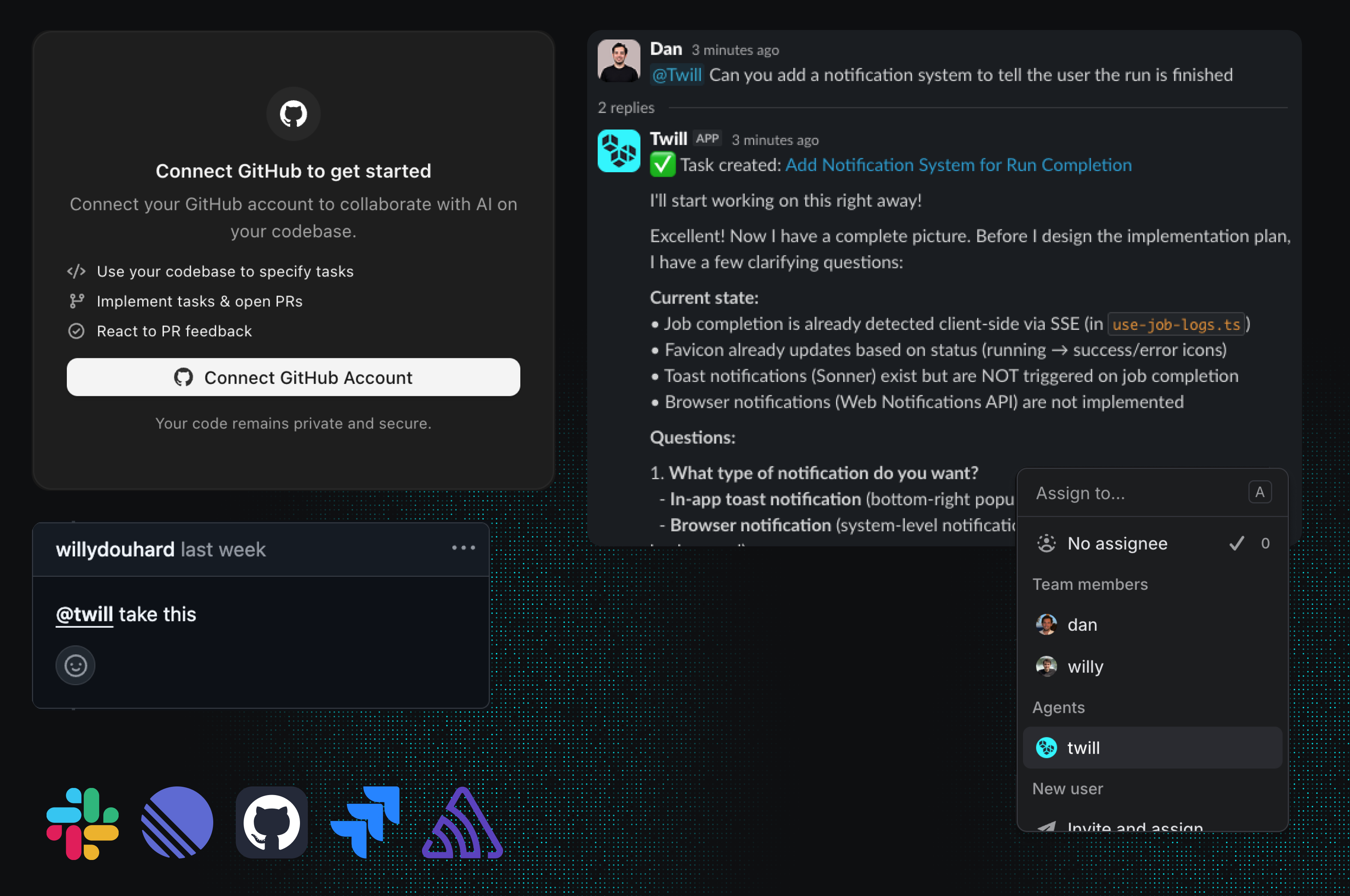
- Mention @twill from GitHub, Linear, or Slack.
- Works where your team already collaborates, with no context switching. Set up once, for all your teammates.
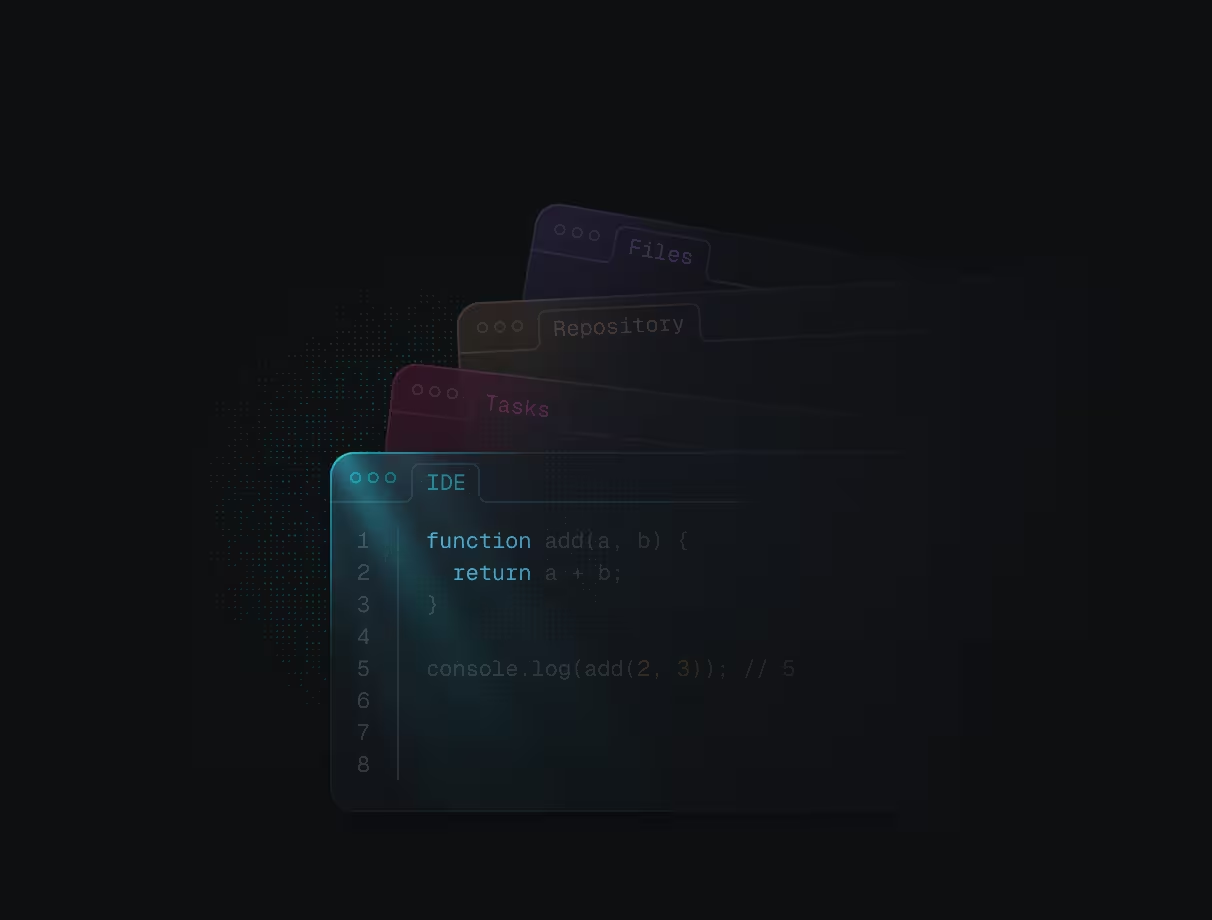
- SSH to the sandbox to debug or test, with your favorite IDE (Cursor, VSCode, etc).
Start from proven automations
Pick a template, connect your tools, and let Twill run recurring engineering workflows for you.